
Science Staff
Chief Curator's Office
John R. Demboski, PhD
Chief Curator & George Sparks Endowed Chair for Science
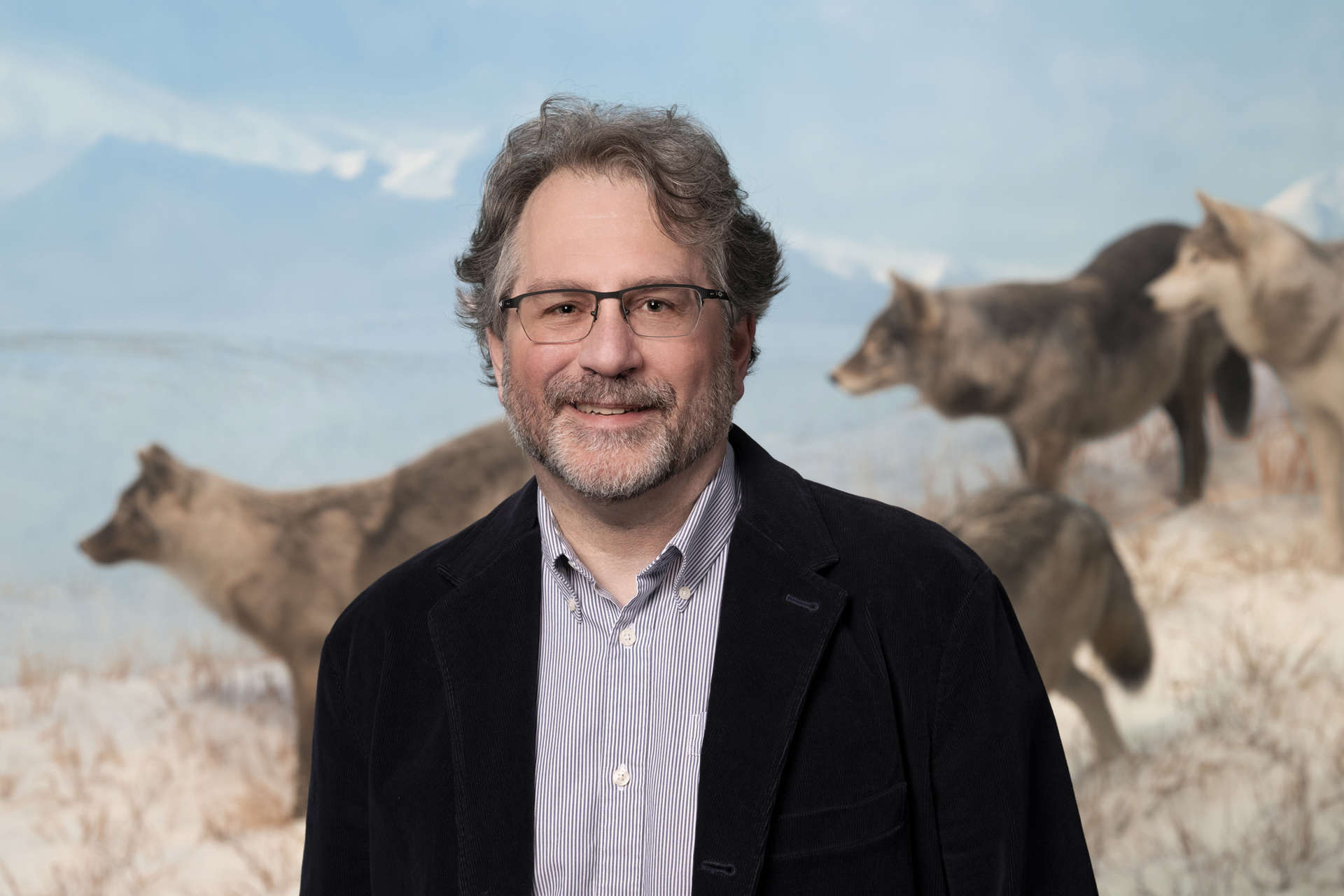
John R. Demboski is the Chief Curator & George Sparks Endowed Chair for Science at the Denver Museum of Nature & Science. John is an accomplished zoologist and Museum leader who brings more 30 years of museum experience to the position. He is responsible for providing vision and leadership to ensure quality scientific research, appropriate collections stewardship, engaging educational programming and exhibition content, as well as managing a productive team of scientists and collections staff. He will play a critical role in shaping the Museum's strategic vision for science. During his tenure at the Denver Museum of Nature & Science, he has expanded accessibility to collections and increased their overall use. He has served in many different roles that have included multiple initiatives and other large pan-Museum projects related to infrastructure, education, exhibits, and scientific research and collections. In addition, he has served in external leadership roles and on boards in the broader museum collections community.
Educated at Purdue University, his passion for museums was sparked during a volunteer opportunity at the Cincinnati Museum of Natural History, which resulted in a long-term fieldwork experience in the Philippines. This led him to the University of Alaska Fairbanks for his PhD and where he had the opportunity to gain extensive experience in the university’s research collections. After postdoctoral positions at the University of Idaho and Louisiana State University, John joined California State Polytechnic University, Pomona, in 2002, as an assistant professor of biology. In 2006, he landed at the Denver Museum of Nature & Science where he served as curator of mammals and director of zoology & health sciences.
John’s scientific research has focused on western North American mammals, where he studies the processes that contribute to the diversity of species. His work combines fieldwork and molecular methodology to address fundamental questions about the evolution and distribution of species. He has conducted fieldwork across the western United States, as well as in Canada, Mexico, Mongolia, Paraguay, Philippines, and Russia.
John has lived all over the United States and is now proud to have established long-term roots in Colorado after calling so many places home. Live music, fly fishing, wildlife, road trips, the mountains, and time with family are his passions.
Meghan Truckey, MA
Registrar

Meghan Truckey is an anthropologist and museum studies professional with a focus in registration, collections management, and zooarchaeology. Meghan grew up in Wisconsin and attended the University of Wisconsin-Madison, where she earned a BS in anthropology and zoology. While working toward her undergraduate degree, she began interning with the campus zoological and anthropological museums. The work she completed at those two museums convinced her to pursue an advanced degree in museum studies. After graduation, she moved to Washington, DC, where she attended The George Washington University and earned an MA in anthropology and museum training. During this time, she also interned at the Smithsonian and the British Museum. Following graduate school, Meghan was a museum technician in the Zoology Department at the Denver Museum of Nature & Science and then senior collections manager and museum registrar at the Maxwell Museum of Anthropology. In 2019, Meghan moved back to Denver and returned to the Museum as registrar.
Libby Rhodes
Business Support Specialist III

Libby Rhodes joined the Museum in January 2019, after having spent many happy times at the Museum as a guest with her two children. With 15 years of administrative and custom service experience, she supports Anthropology and Earth and Space Sciences by preparing reports, coordinating meetings and logistical planning, and all-around problem solving. What Libby loves most about her job is the contribution she makes to her team, the Museum, and the community. In her free time, Libby enjoys time with her family, gardening, and enjoying all that Colorado has to offer.
Courtney J. Scheskie, MA
Business Support Specialist III

Courtney Scheskie was proud to join the Museum in 2015 after a short time as an Education Collections volunteer. She supports the Health Sciences, Zoology, and Integrative Collections team as a spreadsheet master, receipt wrangler, obscure supply finder, logistics guru, and budget magician. In a previous life she received her undergraduate degree in history from Western Washington University and a master’s degree in African studies from the University of Illinois, Urbana-Champaign. Courtney’s favorite place in the world is the Nile shore in Aswan, Egypt, where the Nubian’s river culture reminds her of growing up on the Mississippi in Wisconsin. In her free time she enjoys crafting, reading, and enjoying beautiful Denver, Colorado.
Integrative Collections
Melissa Bechhoefer, MS
Director of Integrative Collections
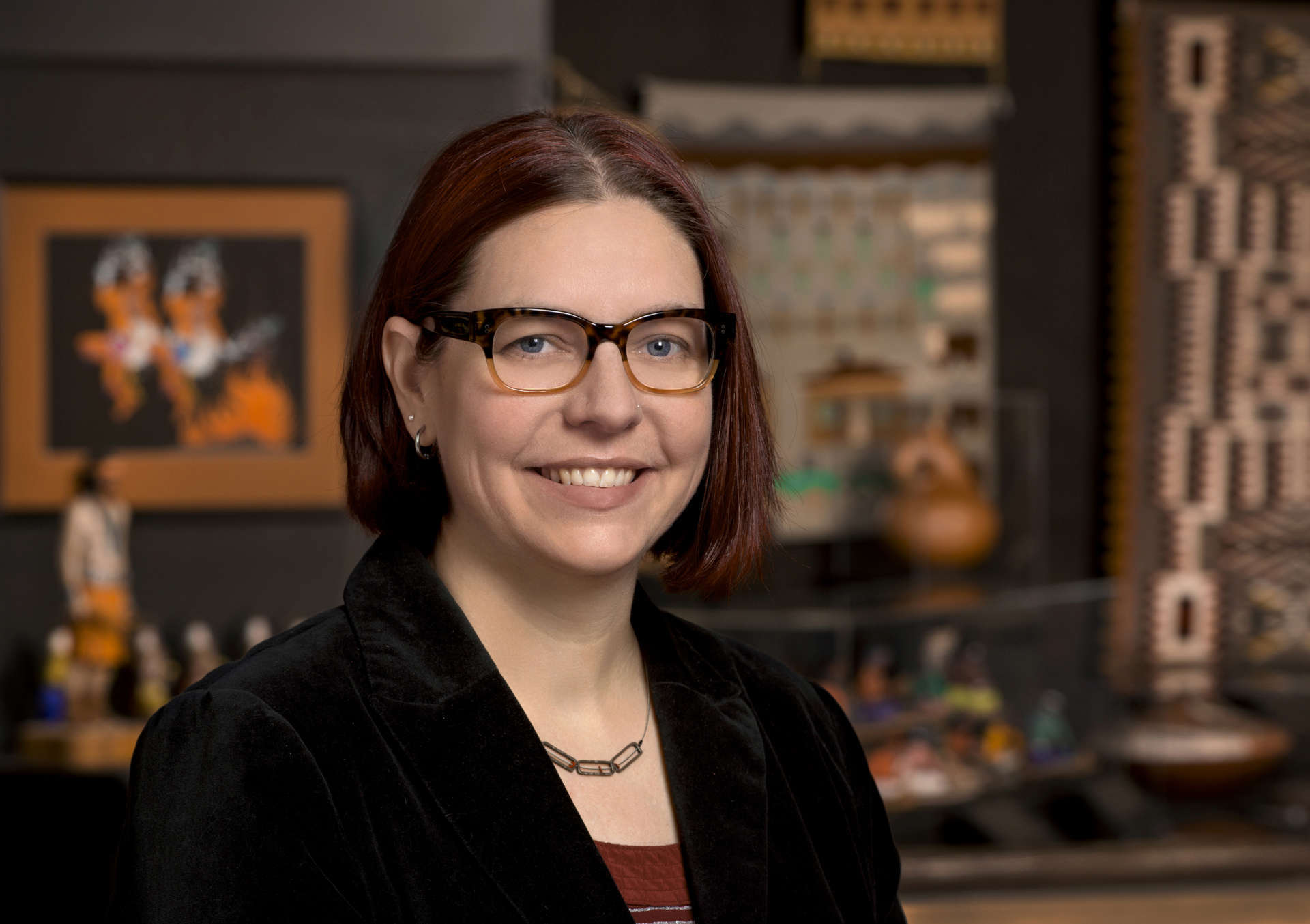
Melissa Bechhoefer is the director of integrative collections. She is leads a team of 14 professional staff that manage the Museum’s 4.3 million research, education, and archival collections. She is passionate about best-practices in the physical care of collections, and providing researchers, students, source communities, and the public both physical and digital access to collections and their associated data. She is currently focused on completing installation and collections moves to the state-of-the-art Avenir Collections Center, opened in 2014, updating collections policies and procedures, and implementing a collections digitization plan. Melissa has worked in museum collections management and registration for nearly 20 years; she has managed many types of collections throughout her career, including with the National Park Service and the State of Colorado before joining the Museum team in 2012. Melissa is very active in museum professional organizations and was elected to the board of the Association of Registrars and Collections Specialists in 2019.
Rick Wicker
Photographer

Rick Wicker gained an interest in photography starting in high school when he worked on the yearbook and newspaper staff as a photographer. Rick started at the Colorado Institute of Art shortly thereafter, and while in school, he began working on projects with the Museum. After 11 years at the Museum, Rick left and worked with renowned Colorado photographer John Fielder, managing his art gallery in Cherry Creek Shopping Center and later in the Santa Fe Arts District. He also spent some time managing Fielder’s publishing house. In 2008 Rick returned to the Museum, continuing his greatest passion for photographing collections material from all of the disciplines. He has also had the opportunity to travel both domestically and internationally for the Museum. Through photography, Rick says he is able to help share the Museum’s story to a vast audience.
Laura Rocha Prado
Data Administrator

More info to come.
Anthropology
Michele Koons, PhD
Director of Anthropology and Conservation
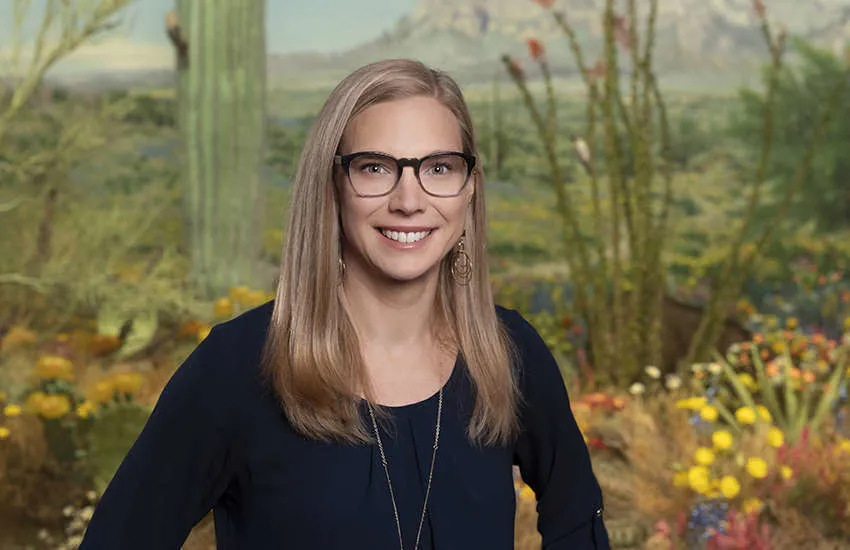
Dr. Michele Koons studies ancient complex societies and is especially interested in ancient political dynamics, social networks, and how people of the past interacted with their environment. In her research, Michele uses different geophysical methods and traditional archaeological techniques, such as excavation and pedestrian survey. She also specializes in ceramic analysis and radiocarbon dating. Michele has conducted archaeological research throughout the United States, Peru, Bolivia, Chile, France, and China. Michele grew up outside of Philadelphia and attended the University of Pittsburgh for her BA. After interning at the Mütter Museum in Philadelphia, she moved to Colorado and worked at the Museo de las Americas in Denver and in cultural resource management in Wyoming. Michele then attended the University of Denver for her MA degree, where she explored the site of Tiwanaku in Bolivia. Michele went on to Harvard University for her PhD and pursued research on the Moche archaeological culture of Peru. While at Harvard, Michele worked at the Peabody Museum and volunteered at the Boston Museum of Science. After defending, she took a postdoctoral position at the Denver Museum of Nature & Science and was hired as curator a year later. She became the Director of Anthropology in 2024. Michele currently conducts research in the American Southwest, on Colorado’s Front Range, and in Peru and has led museum-based projects on Egyptian mummies, NAGPRA repatriations and international returns. She curates the Museum’s archaeological collections from around the world.
Emmy Dawson, PhD
Research Assistant

Emmy is an environmental archaeologist and is interested in human-environment interactions, plant use, foodways, and colonialism in the US Southwest. She specializes in archaeobotanical methods, especially phytoliths, and studies plant use during the colonial era (17th and 18th centuries) in New Mexico. Emmy has worked on archaeological projects in New Mexico, Colorado, Wyoming, Indiana, Michigan, and Mongolia. Emmy grew up in Denver and is a former teen volunteer at the museum. She attended the University of Chicago for her BA/MA and received her PhD from the University of Texas at Austin. At DMNS, she works on the Textile project.
Angela Rueda
Collections Manager

More coming soon!
Erika Heacock
Assistant Collections Manager

Erika is a recent transplant from the Sonoran Desert to the Denver Region. She has worked in the museum field since 2009, with her first position of 8.5 years working at the Arizona State Museum in the archaeological repository. She has participated in field work as an archaeologist in Arizona and New Mexico, but was able to dabble and volunteer for the Magic Mountain and Torriette Great Kiva projects DMNS conducted in 2018. She specializes in a very niche corner of anthropology and studies prehistoric shell trade and manufacture in the southwest. She is currently exploring ways to incorporate Indigenous perspectives into collections care within the Anthropology department.
Johnny Gordon
Collections Assistant

Johnny Gordon is originally from the California Mojave Desert and a proud member of the Chemehuevi Band of Southern Paiute (Nuwu/Nuwuvi). He received his Bachelor of Fine Arts in Museum Studies at the Institute of American Indian Arts in Santa Fe in 2022 and was hired on to the Denver Museum of Nature & Science to reorganize and rehouse the Dent and Folsom archeological collections.
His experience in the collections at Lake Havasu Museum of History and the Museum of Indian Arts and Culture has allowed him to refine his expertise in indigenous collections care management. Johnny aspires to foster co-stewardship collaborations through inclusion with tribal nations represented in DMNS’ Anthropology Collections, museum professionals, and the greater public. In particular he strives to evince knowledge pertaining to basketry originating from California, Southwest, and Great Basin tribes.
Casey Mallinckrodt, MA
Conservator III

Casey Mallinckrodt is an objects conservator with experience working on a wide range of materials from contemporary chocolate sculpture to Ancient Egyptian painted coffins. Her greatest interest though, is with collections of material culture and using community collaboration, technical analysis, and cross disciplinary research to deepen the understanding of these objects and to guide thoughtful stewardship. Casey has been privileged to work on collections of Native American material culture and the arts of Central and West Africa, and South Africa. She is excited to work with DMNS museum colleagues across divisions and with the larger community, and to develop learning opportunities for people entering the discipline.
Casey received a master’s degree in conservation from the UCLA/Getty Program in the Conservation of Archaeological and Ethnographic Materials, and an MFA is sculpture from the Yale School of Art. Before joining DMNS Casey was the first objects conservator in the Wadsworth Atheneum Museum of Art’s 180-year history and prior to that was part of a conservation-curatorial team at the Virginia Museum of Fine Arts carrying out the technical analysis, study, and conservation of historic arts of Africa.
Casey is a trustee of the College of the Atlantic in Bar Harbor, Maine.
Megan Salas, MA
Conservator II

Megan is a member of the Avenir Conservation Center team working on a variety of projects. Megan is the Project Director for an IMLS grant-funded project entitled Northwest Coast Collection: Building Bridges and Detailed Conservation Survey. This project involves collaborating with originating and descendant Pacific Northwest communities to complete a condition survey. Megan also participates in conservation activities required for temporary and permanent exhibitions at the Museum. Some of Megan’s research interests include analytical imaging techniques and implementing feedback from Indigenous communities in conservation practice.
Originally from Los Angeles, Megan fell in love with cultural heritage conservation during her undergraduate studies at Yale University, where she earned a BA with a double major in History of Art and Egyptology. In 2020, she graduated with her MA from the UCLA/Getty Program in the Conservation of Archaeological and Ethnographic Materials. Megan has conservation experience at fine arts, natural history, and conservation science institutions, as well as with archaeological excavations and in private practice.
Anneliese Pesce
Conservation Technician

Anna joined the Avenir Conservation Center at the Denver Museum of Nature & Science Conservation team in January 2026, primarily to work on the deinstallation of the North American Indian Cultures Hall. Her work with museum and science centers began at Fiske Planetarium at the University of Colorado, Boulder, where she discovered a passion for working in a museum setting. She has since worked with museum collections at the University of Colorado Natural History Museum and the Aurora History Museum.
Anna deeply enjoys working with Anthropology collections and is grateful to have the opportunity to learn more about the intersection between conservation practices and collections management strategies, as well as how Indigenous knowledge informs care for cultural heritage objects. She is aiming to deepen her knowledge of conservation as a field, as well as expand her experience with large anthropology collections, before attending a graduate program.
Archives
Laura Uglean Jackson, MIS
Digital Archivist

Laura Uglean Jackson oversees the Archives Department and serves as records manager for the museum and digital asset manager for the Science Division. She is happiest when developing policies, procedures, and workflows to improve access, storage, and preservation for digital and analog collections. Laura has over 15 years’ experience in Archives and previously worked at the University of Northern Colorado, the University of California Irvine, and the University of Wyoming. She holds an MIS from Simmons University and a BA in Art History from Colorado State University. She is a leading expert in archival reappraisal and deaccessioning and has also published and presented on born-digital processing, backlog management, and collection development.
Lauren Conrad
Assistant Archivist

Lauren Conrad brings a wealth of expertise to the preservation of historical knowledge to her role as Assistant Archivist for the DMNS Archives Department. She holds an MLIS from San Jose State University and a BA in English Literature from the University of Colorado Boulder. Fueled by a passion for bringing history to life, Lauren is especially committed to ensuring widespread access to historical information through diverse and equitable means. She finds the utmost joy in connecting users with information, and aims to bridge the gap between the past and present, fostering a deeper understanding of our collective history.
Earth Sciences
Patrick O'Connor, PhD
Director of Earth & Space Sciences
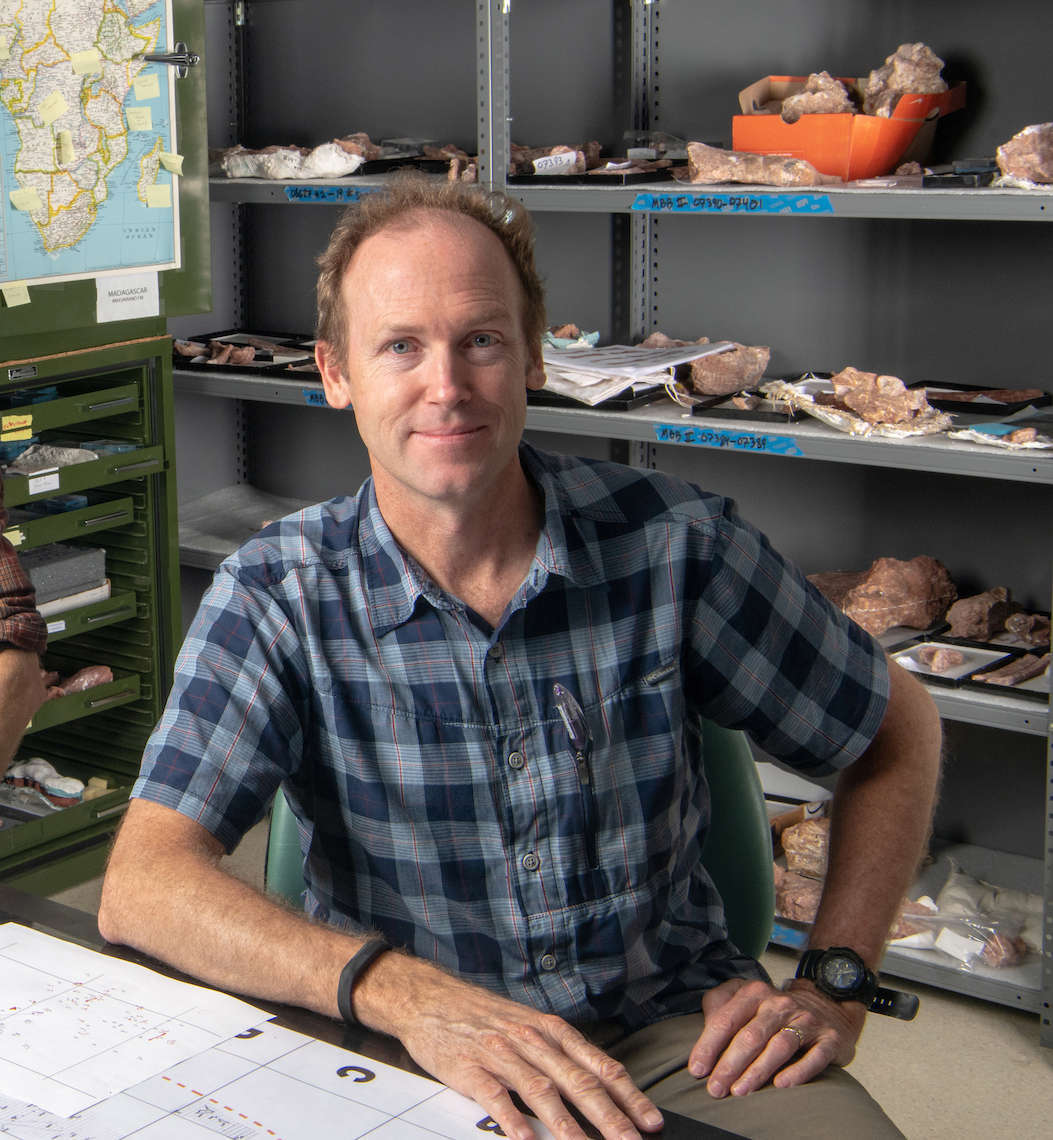
Dr. Patrick O'Connor is an evolutionary biologist who integrates data on patterns derived from the fossil record with modern approaches to investigate developmental processes underlying the generation of morphological disparity in different lineages of backboned animals (e.g., birds, mammals). He completed a degree in biological anthropology at Michigan State University, followed by a PhD in anatomical sciences at the Stony Brook University School of Medicine. Immediately following his PhD, Pat took a tenure-track position (Neuroscience and Anatomy) at the Ohio University College of Medicine, where he advanced to the rank of tenured full professor and presidential research scholar while simultaneously serving several administrative roles, including assistant dean of research programs (four years) and curriculum director (eight years).
Pat's field research projects span from Colorado and Utah to Madagascar, eastern and northern Africa, and Antarctica, united by the common theme of characterizing the impact of large-scale environmental change on biotas during the Late Cretaceous and Paleogene. Along with students and colleagues from around the globe, Pat and his collaborators regularly describe species new to science, including several exciting and oftentimes bizarre non-avian dinosaurs, birds, crocodiles, and mammals, while simultaneously characterizing new rock units and the paleoenvironments in which these animals once existed.
In addition to mentoring postdoctoral researchers and students spanning from the undergraduate, graduate and medical ranks at Ohio University for the past 24 years, Pat now (since January 2024) serves as the Director of Earth and Space Sciences and Senior Curator of Vertebrate Paleontology at the DMNS. In this role, Pat’s energy is tied to elevating science at the DMNS and informing how we do it…and ultimately, impacting people and communities near and far.
GoogleScholar Profile
James Hagadorn, PhD
Tim & Kathryn Ryan Curator of Geology

Dr. James Hagadorn is a detective in deep time, seeking to understand how our planet has changed. With a combination of field- and laboratory-based geology, his research informs us about how Earth’s outer membrane has functioned in the past and how it responds to perturbations—today, millions of years ago, and potentially in the future. Many of his publications are available on ResearchGate or Google Scholar. You can also see his latest videos on YouTube.
Tyler R. Lyson, PhD
Senior Curator of Vertebrate Paleontology

Dr. Tyler Lyson is a vertebrate paleontologist who studies the extinction of the dinosaurs, the rise of placental mammals, and the evolutionary origin of various reptiles, particularly turtles. He combines developmental, genetic, and fossil data with high-resolution chronostratigraphic data to address his research questions. Tyler has conducted fieldwork throughout the American West and has active field sites in North Dakota, Montana, and Colorado. Tyler was born in North Dakota and has been doing paleontology fieldwork since he was in middle school. Tyler received his BA from Swarthmore College and his PhD from Yale University. Tyler joined the Museum in 2014 after a postdoctoral position at the Smithsonian Institution.
Gussie Maccracken, PhD
Assistant Curator of Paleobotany

Dr. Gussie Maccracken is the Assistant Curator of Paleobotany, studying fossil plants and their ecological interactions in deep time. She focuses on reconstructing ancient landscapes during the Late Cretaceous (Age of the Dinosaurs), across the Cretaceous–Paleogene mass extinction, and into the first million years of the Paleogene (Age of the Mammals) to understand how ecosystems rebuild after mass extinctions and climate change. Gussie has done fieldwork throughout the Western Interior of North America, including Utah, Colorado, Wyoming, New Mexico, and Coahuila, Mexico. Prior to becoming Assistant Curator of Paleobotany at the Denver Museum of Nature & Science, she was a postdoctoral fellow funded through the National Science Foundation. Gussie received her BA from Colorado College and PhD. from University of Maryland, College Park, where she conducted her research at the Smithsonian Institution National Museum of Natural History.
David W. Krause, PhD
Senior Curator of Vertebrate Paleontology

Dr. David Krause is a vertebrate paleontologist who primarily studies early mammals, although he has also published scientific papers on fossil fishes, salamanders, frogs, turtles, lizards, snakes, crocodiles, dinosaurs, and birds. Dave came to the Museum in 2016, after a long career as a professor in the Department of Anatomical Sciences at Stony Brook University, where he primarily taught human anatomy to dental and medical students. Much of his early research work was focused on Paleocene mammals from the Western Interior but that emphasis shifted considerably over 25 years ago to the Late Cretaceous of Madagascar, where he and his teams have made a wealth of exciting discoveries of fossil vertebrates, including complete skeletons. Many of the vertebrates are bizarre, a reflection of the their long history of evolving in isolation. More broadly, Dave’s current research is focused on the evolutionary and biogeographic history of the vertebrate fauna from the southern supercontinent Gondwana. In addition to and complementing his research, Dave founded a not-for-profit organization known as the Madagascar Ankizy Fund (ankizy means “children” in the Malagasy language), whose mission is to provide education and health care to children living in remote areas of the island. For more information, see www.ankizy.org.
Jordan W. Crowell, PhD
Postdoctoral Scholar

Dr. Jordan Crowell is a Postdoctoral Fellow studying the initial diversification of mammals following the Cretaceous-Paleogene mass extinction. His work utilizes high resolution micro-computed tomography to document the anatomy of Paleogene mammals and elucidate their relationships to living groups of placental mammals. His current projects include resolving the evolutionary relationships of plesiadapiforms within Euarchonta (primates + colugos + treeshrews) and studying the remarkably well-preserved crania of “archaic ungulates” in the Denver Basin of Colorado. Jordan received his BA in Anthropology from the University of North Carolina at Greensboro and his PhD in Anthropology from The Graduate Center, City University of New York and the New York Consortium in Evolutionary Primatology.
Jacob Wilson, PhD
Postdoctoral Scholar

Dr. Jacob (Jake) Wilson is an NSF EAR postdoctoral fellow specializing in the study of freshwater fish around the extinction of the dinosaurs, or the K/Pg mass extinction. His work involves the study of the most recent mass extinction, how it affected freshwater fish, the pace of recovery from the extinction, and how those patterns can inform evolution of lineages through time across the tree of Life, including during the current biodiversity crisis. His current projects include studying fossil fishes from near-K/Pg rocks in the Denver and Williston Basins and building a timeline of K/Pg recovery in the Denver Basin. His research includes fieldwork in the western United States, Bolivia, and Peru studying rocks and fossils from the lead-up to and recovery from the K/Pg event. Jake attended the Colorado School of Mines for his undergraduate degree in Biochemistry before continuing his education with a MS in Ecology and Evolutionary Biology at the University of Denver and a PhD in Functional Anatomy and Evolution from the Johns Hopkins University School of Medicine.
Antoine Bercovici, PhD
Research Scientist

Dr. Antoine Bercovici is a palynologist and sedimentologist who studies mass extinction events. He is interested in understanding the processes in which terrestrial plant ecosystems recover from catastrophic events such as during the Cretaceous–Paleogene mass extinction (end of the age of non-avian dinosaurs), as well as during the Permian–Triassic mass extinction (Earth's worst-ever). Under the microscope, he unravels some of the smallest of all fossils (pollen and spores) to paint the evolution and dynamics of ancient forests and derive predictive models that can be applied to better understand today's biodiversity crisis.
Antoine completed a degree in systematics, evolution and paleontology at Sorbonne Université and the National museum of Natural History in Paris, followed by a PhD in Sedimentology at the University of Rennes 1 in France. He continued as a postdoctoral scientist at the China University of Geoscience (Wuhan, China), at Lund University (Sweden), at the Smithsonian Institution National Museum of Natural History (Washington DC), and at the University of Nottingham (UK).
Publications: Google Scholar
Yann Rollot, PhD
Postdoctoral Scholar

Dr. Yann Rollot is a Postdoctoral Fellow that studies the evolutionary history of turtles and origin of reptiles. His work utilizes micro-computed tomography and digital reconstruction of fossil turtles and reptiles to document their anatomy and relationships. His current projects include reassessing the anatomy of Paleozoic reptiles to disentangle the first steps of their evolutionary history and the study of turtle diversity accross the K/Pg boundary. Yann attended the University of Burgundy (France) for his undergraduate degree in Earth Sciences, the Universities of Poitiers and Montpellier (France) for his MS degree in Vertebrate Paleontology, and the University of Fribourg (Switzerland) for his PhD in Earth Sciences.
Kristen A. MacKenzie, MS
Collections Manager

Kristen MacKenzie revels in the challenges of managing 1.25+ million specimens for the earth sciences collections at the Museum. Kristen is delighted to support a highly active research group and scientists from around the world. Before arriving at the Museum in 2015, Kristen worked as the assistant collections manager in vertebrate paleontology at the Florida Museum of Natural History. She has also worked as a collections assistant (fossil collections) at Oregon’s Museum of Natural and Cultural History and the John Day Fossil Beds National Monument. Kristen’s MS in geology is from the University of Oregon, where she described the paleontology and geology of an Oligocene-Miocene vertebrate site in southern Oregon that she discovered in 2006. Kristen has become unreasonably fond of early fossil canid, camelid, and rodent alpha-taxonomy and is always enamored with sedimentary basin fill stratigraphy. Working with any Neogene fossil faunas makes her super happy! Dinosaur hunting with the Museum is also viscerally satisfying as is managing deep time collections.
Nicole Neu-Yagle, MS
Assistant Collections Manager

Nicole Neu-Yagle manages the paleobotany, invertebrate paleontology, rock, mineral, and meteorite collections at the Museum. Her MS thesis research focused on Paleocene mammals.
Sierra K. Swenson
Assistant Collections Manager

As a self-described “dinosaur kid”, Sierra has been interested in paleontology from day one. During her time as a geology major at Macalester College in Minnesota, she studied dinosaur coprolites from the Campanian Two Medicine formation of Montana, and assisted in taphonomic studies of microfossil assemblages from the Two Medicine as well. Then, as a graduate student at the University of Georgia, she studied the sequence stratigraphy of the Jurassic Sundance Seaway, and the effects of environmental changes on the fossil communities within it. After her graduate work, she spent a few years working as a geoscientist in the energy industry, but ultimately her love of fossils brought her here to the museum to manage the Madagascar fossil collection.
Eva Jorn, MS
Assistant Collections Manager

Eva studied geology in her undergrad at Denison University where she fell in love with earth’s history and the interconnectedness of earth systems though deep time. During her undergraduate studies she also worked at the Denison Museum and discovered a passion for Museum collections. Following her interests in geology, Eva went on to do her Masters in earth sciences at the University of Colorado Boulder. Her research explored microbial involvement in fossilization by examining traces of microbial mineralization in crystal orientation patterns in herbivorous dinosaur coprolites. She then returned to the world of museum collections to help manage the geology collections at the Museum where she continues to learn about earth history through the Museum’s diverse collection of rocks and minerals.
Emory Pollatsek
Collections Assistant

Emory is a collections assistant in the earth sciences collections, specializing in the gems and minerals collection. Growing up in Utah inspired his interest in rocks, minerals, and how they connect to the world around them. Emory gained a bachelor’s degree in Geology from Colorado College to pursue his passion for geology. During Emory’s time at Colorado College, they interned at the Denver Museum of Nature and Science’s fossil preparation lab in the summer of 2021 and the American Museum of Natural History’s invertebrate paleontology collections in the summer of 2023. Their bachelor’s thesis research focused on fault-fluid interactions in tourmaline coated brittle faults in the West Antarctic Rift System of West Antarctica. Emory’s thesis work enabled him to present their research as a poster at the 2022 West Antarctic Ice Sheet Workshop and Geologic Society of America conference.
Natalie Toth, MS
Chief Preparator

Growing up in Chicagoland, Natalie Toth developed a strong love for natural history museums, which ultimately led to her pursuit of a career in the geosciences. At the Museum, she works alongside a remarkable team of volunteers in the earth sciences labs to collect and prepare fossils from around the world. Natalie has been fortunate to participate in numerous excursions for vertebrate fossils across the Rocky Mountain West and has the opportunity to support the groundbreaking research interests of the Museum’s curatorial staff.
Salvador Bastien
Fossil Preparator

Salvador Bastien works with the volunteer and intern team in the Earth Science labs to bring new Paleontological specimens in from the field and prepare them for research and exhibition. Growing up in Wisconsin, he developed a passion for the natural world that brought him to Colorado's Front Range for his undergraduate studies. At Colorado College, he gained a deeper understanding of evolution, anatomy, and earth’s history. Interning with DMNS paleontology field teams piqued an interest in the fossil record that expanded to Salvador’s full-time involvement with the Museum since 2018.
Sadie Sherman
Fossil Preparator

Sadie Sherman works with a team of interns and volunteers to prepare Hell Creek fossils for storage in collections. As a child, she developed a love of dinosaurs and evolutionary biology that became a driving force in her life. This led her to the dinosaur rich fields of Alberta, Canada where she studied biology and paleontology. From there, she would become an intern at DMNS and learn all the preparation steps and techniques necessary to be hired as full-time staff.
Evan Tamez-Galvan
Fossil Preparator

At an early age, Evan knew she wanted to work with dinosaurs and became determined to make that dream a reality as she grew up. This passion led her to study geology and biology at Mercyhurst University, earning her bachelor’s degree in 2021. In the fall of 2021, she became a lab intern at the Museum where she learned to properly prepare and store fossils. Evan now works full-time with an exceptional team of volunteers and interns to prepare Jurassic sauropods from the Morrison Formation in Wyoming.
Health Sciences
Bridget N. Chalifour, PhD
Genomics Scientist
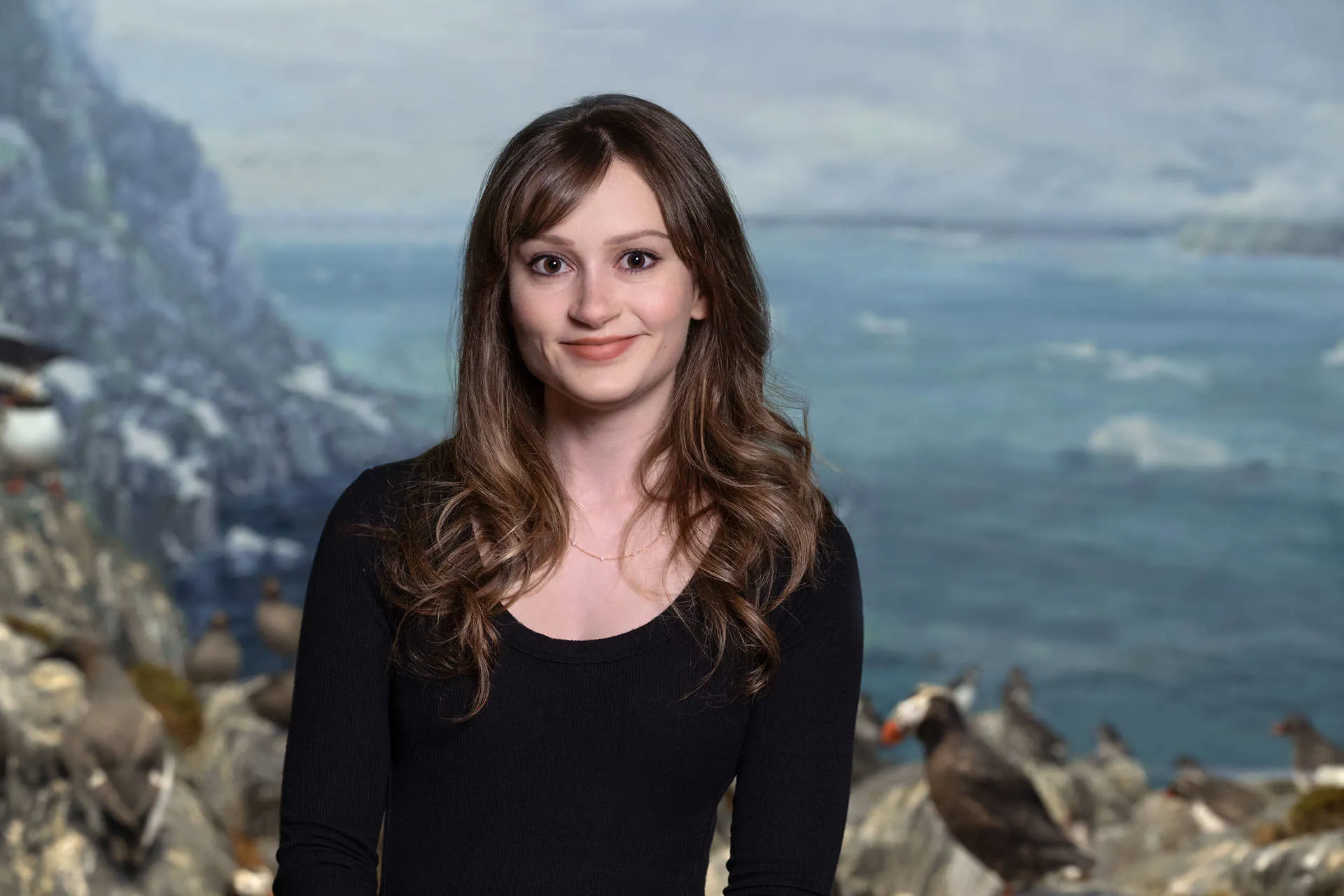
Dr. Bridget Chalifour is the Genomics Scientist at DMNS. She grew up in Orlando, Florida and developed a passion for ecology by exploring tide pools and salt marshes on the East Coast. She completed her BS in Environmental Science at the University of Florida in 2017 and earned her PhD in Ecology and Evolutionary Biology at the University of Colorado Boulder in 2022. She is a microbial ecologist who studies environmental changes and their effects on microbiomes in both human and animal hosts. Her dissertation research used a combination of preserved museum specimens and wild-caught snails to understand how factors like life stage, time in preservation, human disturbance, and geographic location impact the diversity and composition of the gut microbiomes of Rocky Mountain snails. Her postdoctoral research studied relationships between environmental exposures like air pollution, PFAS levels, changes in weight, and feeding patterns, and 'omics measures, including metagenomic and metabolomic data in human populations. Now, Bridget conducts research leveraging ‘omics technology across human and non-human systems utilizing DMNS’ extensive collection of DNA, frozen tissues, and specimens.
Tiffany Nuessle, MA
Research Manager in the Genetics Lab

Tiffany Nuessle (pronounced NESS-lee) has had an unconventional career that led to her becoming the research manager of the Genetics Lab. Originally from California, Tiffany attended UC Santa Cruz with hopes of becoming a high school creative writing teacher … then she realized they didn’t offer education as a major, only as a minor. She was lousy at French in high school, but wanted to prove to her teacher that she could do it, so she continued pursuing French in college. She ended up minoring in education and getting degrees in both linguistics and French and Francophone studies. Her senior year of college, a good friend asked her if she had considered becoming a counselor. Tiffany hadn’t. But she did from that point forward, eventually moving to Colorado to attend Denver Seminary and earn her master of arts in counseling. These skills with people led her supervisor to take a chance on her because the Museum wanted someone passionate about communicating science with the public. Tiffany now trains community scientists (volunteers who may or may not have a science background) on how to conduct all aspects of taste research and ensures that the research is done ethically. In this job she has had the joy of using her macrophotography skills (although pictures of tongues were not what she envisioned), her passions for writing, problem solving, and communicating. She is still terrible at French.
Space Science
Ka Chun Yu, PhD
Assistant Curator of Space Science

Dr. Ka Chun Yu joined the Museum as part of a team tasked with creating planetarium software to visualize the known universe. He has produced movies and live presentations including Earth systems programs for the digital dome and continued to create new planetarium visualizations and other educational content. He has conducted educational research to study the use of digital planetariums for astronomy education. Ka Chun’s astronomical research is in observational star formation, looking at outflows from protostars and studying the properties of young stellar clusters. He has been involved in observing programs with the Hubble Space Telescope, as well as ground-based optical, infrared, and radio observatories around the world.
Zoology
Garth M. Spellman, PhD
Director of Zoology & Health Sciences, Curator of Ornithology

Dr. Garth Spellman is curator of ornithology at the Museum. He grew up in Fargo, North Dakota, and developed a passion for biodiversity science through his first summer job as a lab assistant pinning beetle specimens in a paleontology lab at North Dakota State University. Garth went on to receive a BA in biology from Carleton College, an MSc in zoology from the University of Alaska Fairbanks, and a PhD in biological sciences from the University of Nevada, Las Vegas. He began his professional scientific career at Black Hills State University, initially as a research professor and eventually moving on to become an associate professor. Garth then spent two years serving as a program director in the evolutionary processes cluster of the Division of Environmental Biology at the National Science Foundation. His peer-reviewed manuscripts have been featured in diverse scientific journals, and his work has been featured in several popular press articles and blogs. His research focuses on how recent and ancient environmental changes have affected bird species. Bird species are products of their environment and therefore are constantly evolving in response to environmental change. The response of a species to environmental change leaves lasting footprints in its DNA. Garth uses genetic tools to examine “bird DNA footprints” and determine just how a species or multiple species that make up a modern community have responded to past environmental change.
Paula E. Cushing, PhD
Senior Curator of Invertebrate Zoology

Dr. Paula Cushing is senior curator of invertebrate zoology. She began her position in 1998. She received her PhD from the University of Florida in 1995. She is an evolutionary biologist who studies evolutionary patterns and processes in arachnids (spiders and their kin). Her research focuses on the diversity of spiders in the Rocky Mountain/Great Plains ecoregion (the Colorado Spider Survey). She is also involved with projects exploring the taxonomy, systematics, biogeography, and natural history of spiders, scorpions, and solifuges. She has published on myrmecophilic spiders (spiders that live inside ant colonies) and their evolutionary relationship with the ant hosts. She has done research in all the deserts of the western United States, in Florida, Virginia, Tennessee, Kentucky, Mexico, Puerto Rico, Panama, and India. Paula’s current research focus is on arachnids in the order Solifugae, commonly called camel spiders. She and her students are exploring the systematics, taxonomy, morphology, and behavior of camel spiders in the North American family Eremobatidae. She has served as the co-advisor on the graduate committees of master of science and PhD students at various universities. She is also coordinating the collections and research efforts of several Museum volunteers. Paula is very involved with the American Arachnological Society and the International Society of Arachnology.
See her full article list on Research Gate.
Andrew Doll, MS
Collections Manager
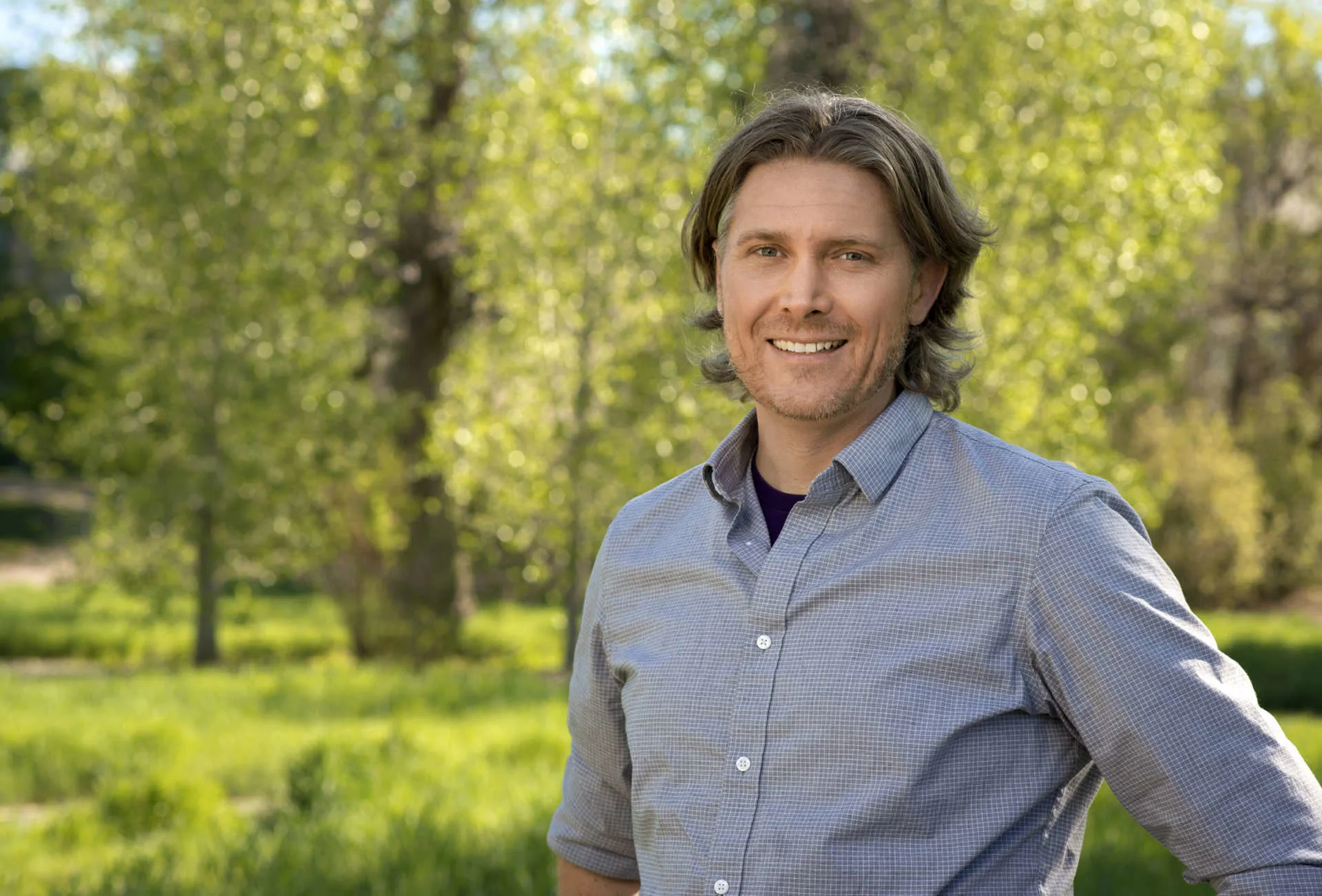
Andrew Doll is an animal ecologist interested in the factors influencing population dynamics through spatial distribution patterns and migratory behaviors. His recent research has focused on developing new techniques for using stable isotopes as intrinsic markers of migration patterns and dietary history. Focal species include dunlin, a long-distance migratory shorebird species, and the Steller sea lion, a federally threatened apex predator of the north Pacific. Andrew was born and raised in Wisconsin, where he eventually received a BS in wildlife ecology at the University of Wisconsin Madison. After several years of wildlife fieldwork throughout Colorado and the American West and then a stint in the air quality group at the Rocky Mountain Arsenal, Andrew attended the University of Colorado Denver, receiving an MS in biology. While pursuing his master’s degree, he began working as the ornithology fellow in the Museum’s Zoology Department. This fellowship transitioned into a collections assistant position, then transitioned to the assistant collections manager in 2017 and finally became the collections manager in 2022. One of Andrew’s primary duties was preparing for and conducting the move of over 1 million zoological specimens into the state-of-the-art Avenir Collections Center.
Genevieve Anderegg, MS
Assistant Collections Manager
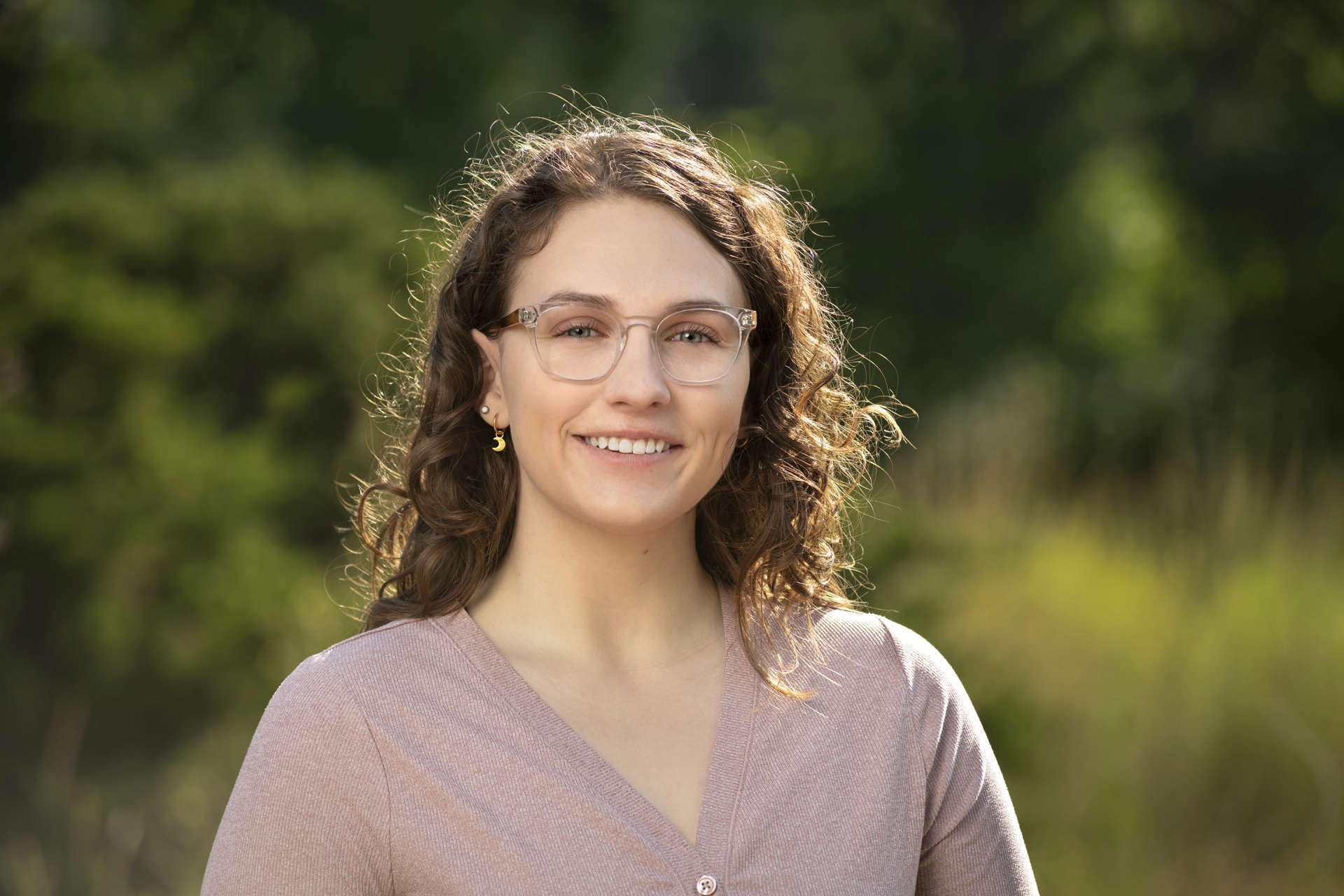
Genevieve Anderegg is a museum professional interested in the management of natural history collections, including specimen preservation, digitization, and preparation. Genevieve was born and raised in Minneapolis and received a BS in evolutionary biology at the University of Wisconsin Madison, where she discovered museum collections and worked at the Wisconsin Insect Research Collection and Wisconsin State Herbarium. Subsequently, Genevieve attended the Museum and Field Studies program at the University of Colorado Boulder, where she worked in the University of Colorado Museum of Natural History’s Vertebrate and Entomology Collections and was awarded her master’s of science in 2022. Her thesis focused on the collections management best practices of fluid preserved insect specimens, an often overlooked and undermanaged portion of entomology collections. Following graduation, Genevieve moved to Denver and began working as the Assistant Collections Manager of Invertebrate Zoology, where she helps manage the marine invertebrate, arachnology, and entomology collections.
Andrea (Andie) Carrillo
Zoology Preparator

Andie Carrillo manages the Zoology Prep Lab, where she prepares skins, skeletons, tissues, parasites, and other vertebrate materials for the zoology collections. Her primary job involves preparing hundreds of specimens a year, ranging in size from hummingbirds to giraffes. She also trains new volunteers on vertebrate prep techniques and engages in public outreach. The prep lab Andie manages is well-stocked and ready for animals of all sizes. It includes a dermestarium in which bones are prepared, two hoods for working with chemicals, and a necropsy table for our extra-large specimens.